

OCTOBER 2026
From “Mine,” to “Ours,”: Why Space Strategy and Communication Must Go Hand in Hand
Workplace Change Management

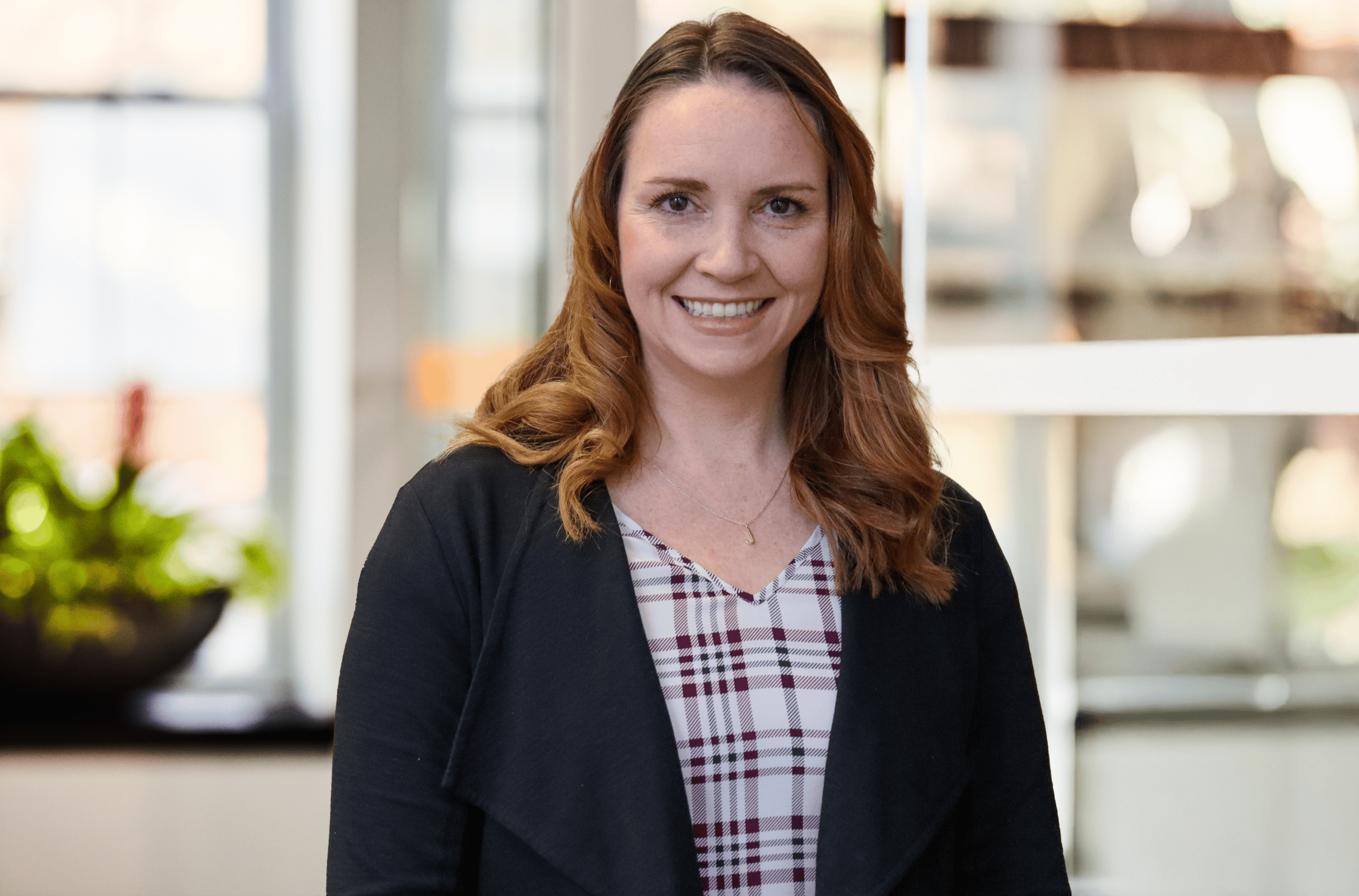
Jade Baldwin
Project Manager
Jade is an experienced project manager with a strong background in occupancy planning, real estate, and project management. She is a thoughtful problem solver with an ability to simplify complicated processes and implement strategic solutions.
Have you ever overheard a child being asked to share their favorite toy?
Before a solution is reached, before tears, before the negotiation, you’ll usually hear one word: “Mine.”
The toy isn’t just a toy. To that child, it represents comfort, familiarity, ownership, and certainty.
As it turns out, adults aren’t all that different.
Now before anyone takes offense, I’m not comparing professionals to children. What I am saying is that our relationship with the spaces we occupy is often more emotional than we realize. We assign meaning to the places where we spend our time. A desk becomes “my desk.” A seat becomes “my spot.” A workspace becomes part of our routine, identity, and sense of belonging.
That’s why workplace transitions from assigned to unassigned seating can be so challenging.
Organizations spend months analyzing occupancy trends, badge data, utilization reports, and portfolio costs. The numbers may clearly support a change, but even the most well-informed strategy can struggle when the people impacted don’t understand the purpose behind it.
The success of a workplace transformation isn’t determined by the floor plan.
It’s determined by trust.
THE “MINE” MENTALITY: UNDERSTANDING WORKPLACE ATTACHMENT
In these efforts, many organizations assume resistance is about the desk itself.
Most people aren’t worried about the furniture. They’re worried about what they believe they’re losing: familiarity, predictability, a sense of ownership, or belonging.
When we overlook the psychology behind the change, we jump straight to logistics instead of addressing the concerns driving the resistance. We talk about reservation systems, occupancy ratios, and utilization metrics while employees are still processing a completely different question: “What does this mean for me?”
WHAT YOU GIVE UP VS. WHAT YOU GAIN
Every workplace change creates a tradeoff. The conversation shouldn’t be ignored. If we transparently address the concerns of what is the perceived loss, we cannot more effectively share and build on the opportunities.
• Greater flexibility
• More choice in how and where they work
• Better collaboration opportunities
• Access to spaces designed for different work styles
• A workplace that better reflects how teams use the office today
GUIDING THE CONVERSATION: OWNERSHIP AND EXPECTATIONS
In my experience, most concerns surrounding unassigned seating come down to two things:
OWNERSHIP
People want to know they still belong. They want reassurance that their human needs are not being overlooked in favor of workplace efficiency, cost savings, or the latest trend. Even without assigned seating, employees need confidence that they still have a place within the workplace community and that they remain connected to the environment where they do their best work.
EXPECTATIONS
People want clarity. When organizations communicate a real estate strategy that includes implementing unassigned seating, it often creates a flood of questions, including:
• What happens on busy days or if our team grows?
• What does this mean for team collaboration?
• How will new hires navigate the environment?
• How will leaders utilize space?
When these questions aren’t clearly addressed, uncertainty begins to grow. And when uncertainty grows, confidence in the change often declines.
One thing I’ve learned throughout workplace planning and change management is that not every conversation about change needs to result in agreement. Sometimes the goal is simply to inform, educate, and create understanding. When communication is approached with ownership and expectations in mind, it can build stronger partnerships, increase trust, and create a foundation for future workplace decisions, even when the answer isn’t immediately met with enthusiasm.
CREATING CONFIDENCE IN THE DECISION
I’ve found that the most successful workplace transformations aren’t the ones with the most complex space strategy. They’re the ones where communication and strategy work together from the start. People don’t need to be sold on a decision. They need to understand it. They want to know what problem is being solved, how the decision was made, and whether their concerns were considered along the way.
When that happens, the conversation shifts from what people are losing to what they’re helping create. The shift to unassigned seating no longer feels like something is being done to them. It becomes something they’re helping shape for the future.
THE BIGGER OPPORTUNITY
Thinking back to the child learning to share, the challenge was never really about the toy. It was about building confidence in something new.
The same is true for workplace change. Moving from assigned to unassigned seating isn’t really about the desk. It’s about helping people understand the change, feel included in the process, and gain confidence in a new way of working.
Space strategy creates direction. Communication creates confidence. And when those two things work together, organizations create workplaces that people are willing to embrace.
That’s the shift from ‘mine’ to ‘ours.’
Questions or comments? Reach out to us!